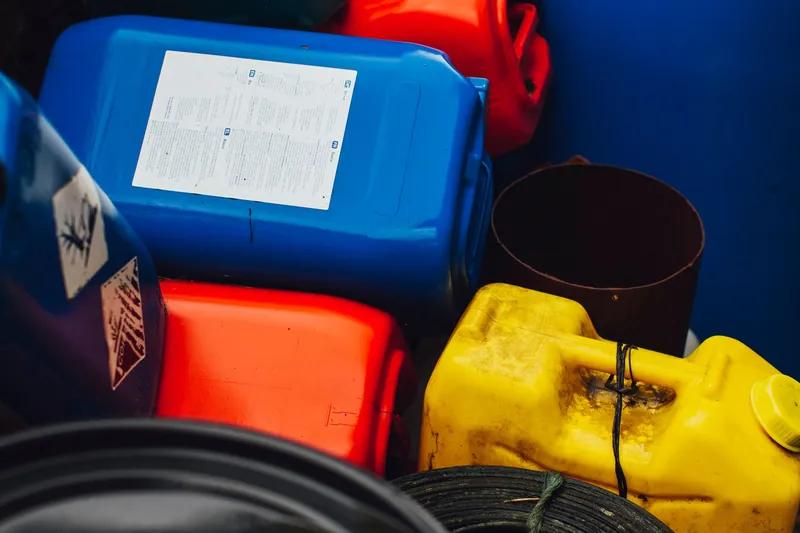
Chemical and Toxic Waste Cleanup
Safe disposal is included with chemical and toxic waste cleanup.
See chemical and toxic waste cleanupGet hazardous materials, chemical residue and contaminated items assessed and cleaned in Cross Country. The hazard is identified first so containment, protective equipment, cleaning and waste disposal fit the material.
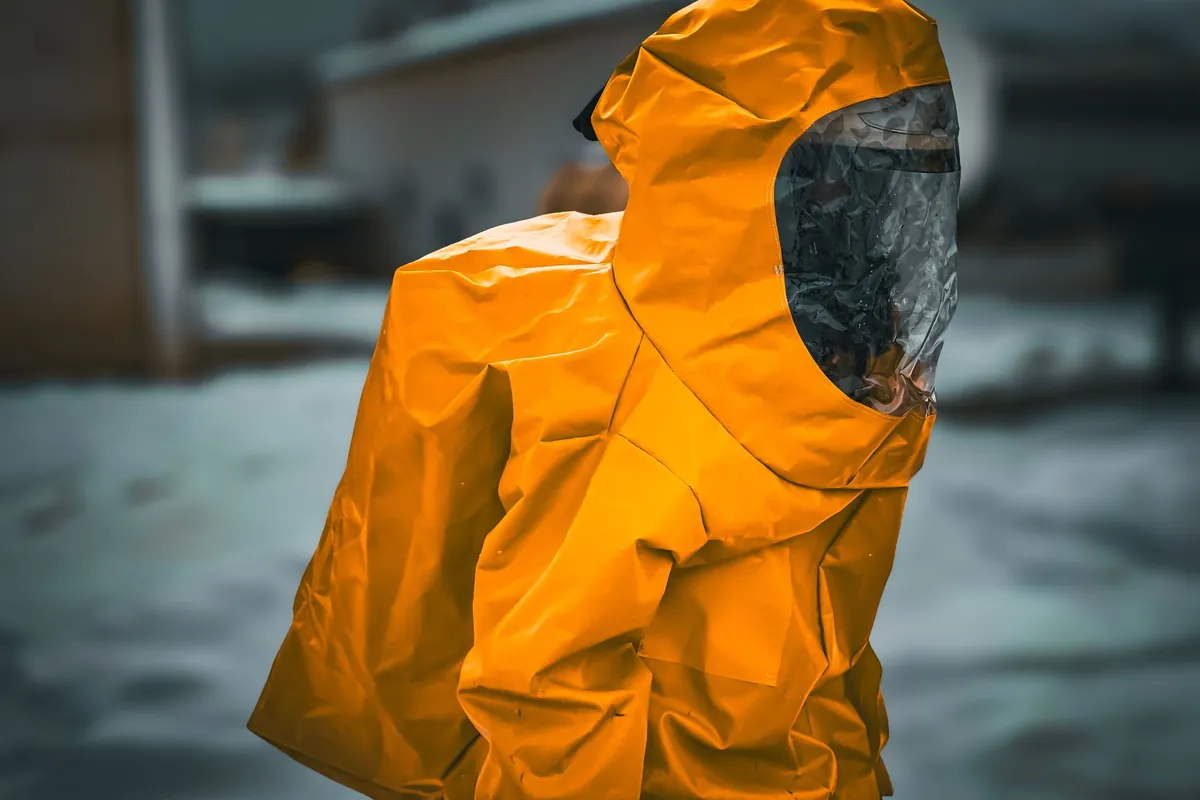
Controlled treatment or removal of dangerous substances is known as hazmat cleanup. It addresses materials capable of harming people, property or the environment by contact, inhalation, fire, chemical reaction or contamination.
The work may involve a chemical spill, unknown powder, fuel residue, corrosive material, toxic waste or a biological hazard. Biological hazards such as blood and bodily fluids can carry bloodborne pathogens. Chemical hazards may burn, poison, react or release harmful vapor. Because those risks differ, a hazmat cleaner should not treat every substance with the same product or process.
The cleanup process begins with information. A product label, Safety Data Sheet, container, incident report or testing may help identify the material. The affected area and surrounding areas are then controlled. Cleanup technicians select protective gear, tools, absorbents and containers that fit the substance. Contaminated materials are cleaned when that can be done safely, or removed for proper waste disposal when they cannot be kept.
You can use pictures, the cleanup scope, waste documents and a list of removed items when insurance companies or property managers ask for details.
Calls are answered at any hour, and crews use unmarked vehicles for privacy. You can explain the situation without sharing it with neighbors or visitors.
You can move forward after hearing what is known, what must still be identified and how the proposed scope treats the affected area.
Cleanable contents are separated from belongings that absorbed contamination. When belongings can be touched safely, you help assess contents that matter to you.
You may need hazmat cleaning when ordinary methods risk exposing you to dangerous material or carrying it onto other surfaces. Situations commonly requiring it include:
A garage, basement, workshop or storage area contains spilled chemicals, mixed containers or unknown material that ordinary house cleaning should not disturb.
You should not touch, relocate or reuse exposed machinery, protective equipment or tools until there is a decontamination plan specific to the material.
When a spill from a passenger area, trunk or cargo space reaches carpeting, trim or ventilation spaces, careful removal is needed.
Liquid, powder or residue can reach nearby belongings, equipment or floors after a container leaks, a bottle breaks or a process goes wrong.
Avoiding contact and preventing the substance from traveling are your first priorities. Before cleanup professionals begin:
Call (888) 440-9227One and Done Prep's Hazmat Cleaning Cost guide lists $4,000 to $40,000 per job for small to mid-size spaces. It lists $6 to $20 per square foot for initial cleanup and containment. Hazmat cleanup cost varies widely because the substance, square footage, containment, waste disposal, permits and inspections can all change the scope. An assessment is needed before the final price can be set.
These ranges come from published national cost guides, not from a site visit. After an on-site assessment, the price for your property is determined and shared with you before cleanup begins.
Ask about cost: (888) 440-9227Hazmat cleaning may be covered by insurance when the underlying cause qualifies under your policy. Contamination exclusions, coverage limits and the deductible can influence what gets paid.
The cause, insurance coverage, lease provisions and local requirements can decide who must arrange cleanup and cover its cost. Avoid accepting responsibility before the facts and documents are reviewed.
Tell the insurance company what caused the contamination and where it occurred. Request policy details for contamination cleanup, waste disposal, material damage and restoration.
Check with the adjuster before work starts, as long as waiting does not create a problem. Keep a cleanup plan, pictures, disposal records and a list of removed materials to support the claim explanation.
A business or property owner should keep incident details, affected-area photos taken from a safe place, an item inventory and records from the cleanup service.
The exact cleaning process changes with the material, but professional cleanup follows a controlled order. Every step should keep contamination inside the affected areas and protect clean spaces.
The assessment includes any available product labels, Safety Data Sheets and facts about the incident. The affected area, surfaces and possible travel paths are mapped before cleanup starts.
The work zone is separated from occupants and unaffected rooms. If the substance might spread farther, openings and routes through the property are restricted.
The known material and the task determine suitable respiratory protection, eyewear, clothing and gloves, since protective equipment is not one-size-fits-all.
The source is stopped when that can be done safely. Materials that suit the hazard, including absorbents and containers, are used to limit additional spread.
Crews match the decontamination method to the substance on cleanable equipment and hard surfaces. An EPA-registered disinfectant treats biological residue and remains for the label's full contact period.
Crews document and package porous or damaged contents when decontamination cannot be completed safely. You help evaluate personal property before disposal whenever conditions make that safe.
The identified contaminant determines the waste route, while compatible containers keep the material securely closed. Cleanup paperwork can support insurance or property files.
The completed work is compared with the defined cleanup scope. The final information identifies removed items, cleaned areas and any repairs or restoration services still needed.
Call any hour. Your hazmat cleanup specialist answers the phone, describes what happens next and works with you on a start time.
Hazardous substances pose serious health dangers if inhaled, swallowed, contacted by skin or introduced by puncture. The wrong product may react with the material or spread contamination.
Depending on the contaminant, used absorbent, cleanup water, damaged items and single-use protective gear may have to follow a controlled waste route.
Surrounding areas can be exposed to airborne material, while porous contents may trap odor or residue. Belongings should undergo evaluation prior to being returned, removed or cleaned.
Contamination may travel beneath shelves, past baseboards, along flooring seams or across the inside of a vehicle. Treating the obvious area alone can miss affected material nearby.
Can you clean it yourself? Even a minor release may be unsafe. Only when a known spill is controlled and clearly addressed should you rely on its Safety Data Sheet and product label. Do not approach a substance that is unidentified, reacting, very toxic or still spreading. If danger is immediate, seek emergency response.
What can be kept is decided by the substance involved and the affected surface. A compatible surface that is sealed may allow cleaning, while residue absorbed into porous material can make removal necessary.
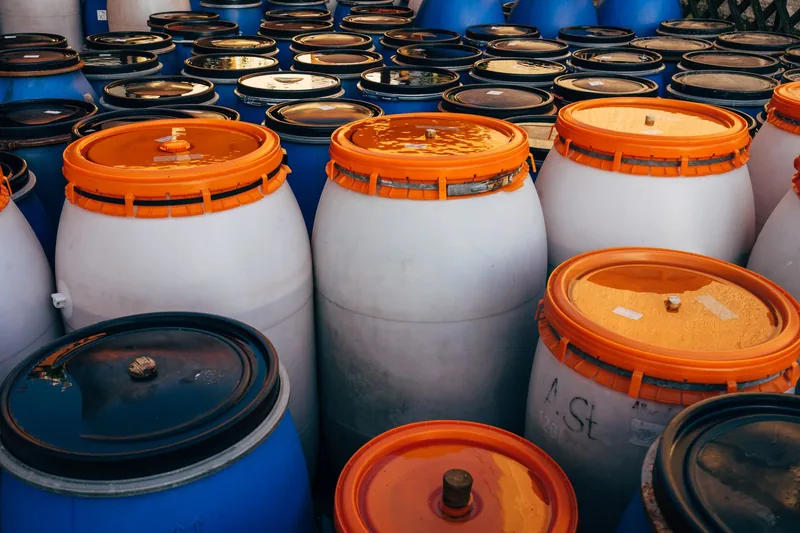
There is no safe fixed timeline for hazmat cleaning until the material, affected area and disposal needs are known. Work may also wait for an active hazard to be controlled or for required testing, permits or inspections.
| Scene | Typical time on site |
|---|---|
| Known hazardous material limited to one location | Timing is set after the site assessment |
| An unknown contaminant or several affected areas | Material identification and scoping happen before cleanup |
| Structural removal, special disposal or inspection | All necessary stages affect the completion date |
A smell may signal a problem, yet it cannot tell you which substance is present or confirm the space is safe. Never move in close to locate an odor. To remove it, first identify the material responsible and either treat that material or take it away.
Once the source is gone, the assessment covers porous items, surfaces and routes where air may have moved. Air-cleaning equipment or ventilation must be appropriate for the identified material, since airflow can carry certain vapors or dust. Adding fragrance does no more than mask the odor. Decisions about final air quality depend on the substance, work scope and any testing the situation requires.
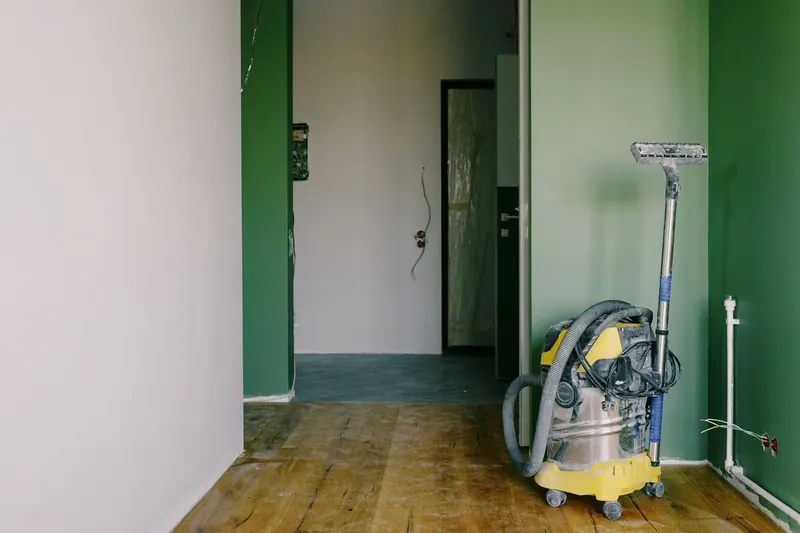
The full hazmat cleanup guide covers what is cleaned or removed, odor and air quality work, and the rules that apply in Maryland and Baltimore City.
Read the full hazmat cleanup guideLocal population patterns, housing and site access may affect how containment and cleanup are planned.
If direct exposure occurs, the closest listed emergency option is Sinai Hospital of Baltimore, about 1.8 miles away, not the cleanup site.
With Fallstaff, Cheswolde, and Glen close by, accurate street and unit details help avoid confusion during a sensitive response.
Neighborhood level directions help narrow the location, but crews still need entrance details before bringing containment and cleaning equipment inside.
During your call, ask whether cleanup is available in surrounding communities and ZIP codes.
Safe disposal is included with chemical and toxic waste cleanup.
See chemical and toxic waste cleanup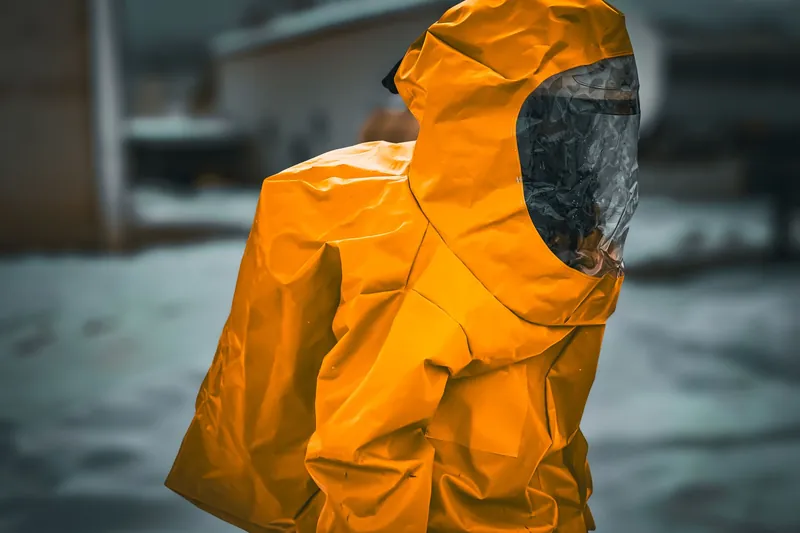
Removal and disinfection of blood, body fluids and other infectious material from any property.
See biohazard cleanup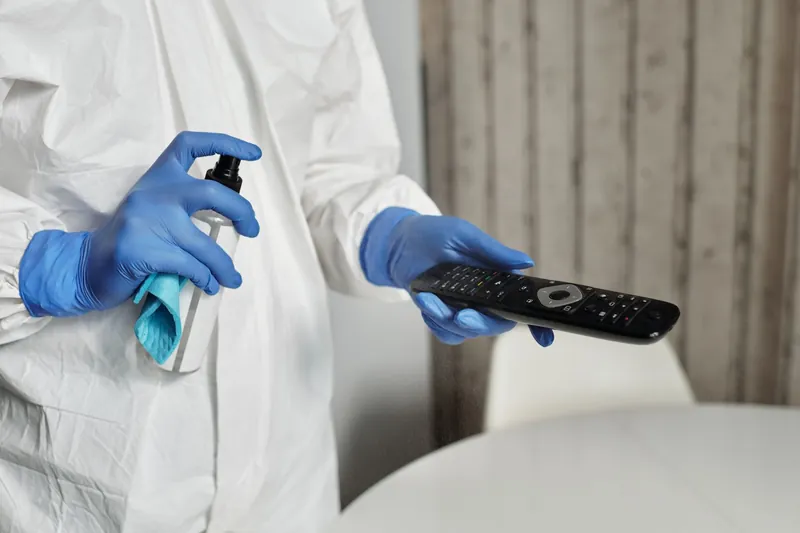
Contamination is cleared through biological remediation, returning the space to safe use.
See biohazard remediation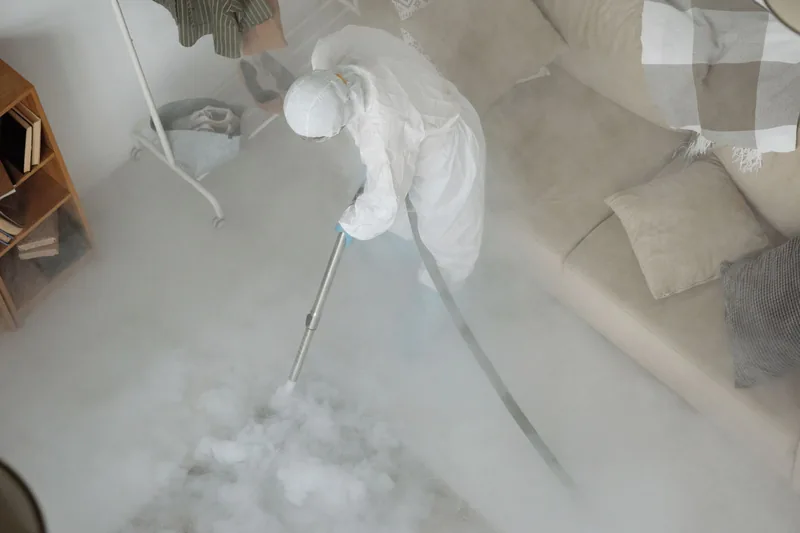
Full decontamination of rooms, surfaces and air after infectious or hazardous exposure.
See biohazard decontamination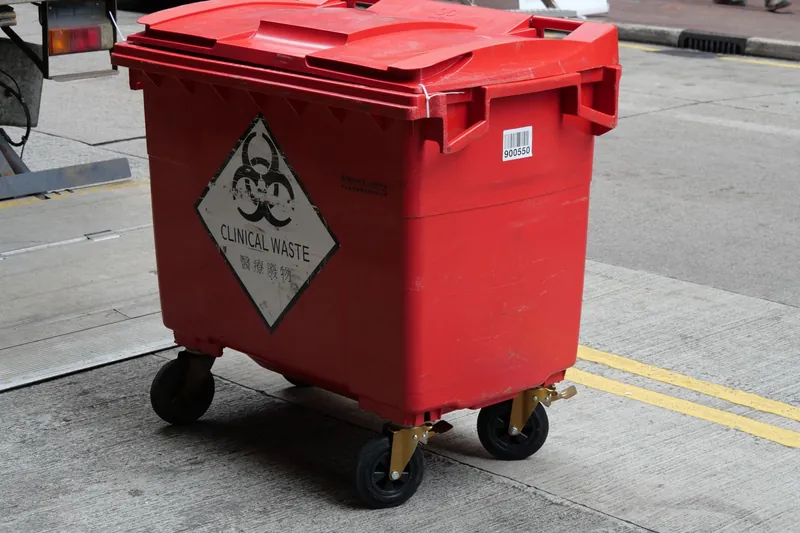
Medical waste removal includes disposal through facilities approved for treatment.
See medical waste removal
Pickup and disposal of biohazard waste use containers that are sealed and labeled.
See biohazard waste disposal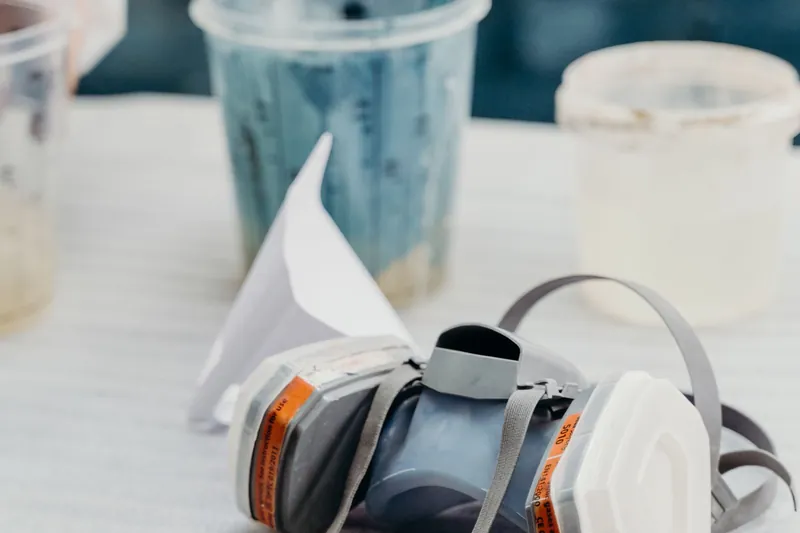
Residue tests, decontamination and clearance procedures are all part of meth lab cleanup.
See meth lab cleanup
After fentanyl exposure, decontamination addresses rooms, vehicles and other surfaces.
See fentanyl decontaminationFirst identify the material without opening, smelling or mixing it. Prevent access to the area, then look to the product label or Safety Data Sheet for applicable safety guidance. Disposal depends on the substance and local rules. Household waste should not include a leaking container, contaminated absorbent or unknown chemical unless relevant instructions expressly permit that disposal method.
Materials with possible organisms or bloodborne pathogens, including bodily fluids and blood, fall into the biological hazard category. Chemical hazards can be toxic, corrosive, reactive or flammable. Protective gear, cleaners, containers and waste disposal all need to match whether the material is biological or chemical. Steps suitable for blood cleanup might not work on spilled chemicals and could create danger.
Cleanup technicians control the affected area and wear protective gear suited to the exposure. Crews first remove blood and bodily fluids, then keep an EPA-registered disinfectant on each surface for the complete contact time stated on its label. Contaminated materials that cannot be cleaned are packaged for the correct waste path under the rules that apply in the area.
Whether insurance pays depends on the source of the incident as well as your policy language, coverage caps, exclusions and deductible. Contact your insurance company after emergency safety calls, and explain the cause while leaving the material undisturbed. Request coverage details for testing, later restoration, personal property, contamination cleanup, damaged building materials and hazardous waste disposal.
No. Residue can remain after a smell weakens, and dangerous vapor may be present even when you notice little or no odor. Decisions about cleanup need to reflect the substance, exposed materials, defined scope and testing requirements for the incident. A scented product may cover the smell without eliminating what causes it.
The final step is not simply spraying disinfectant. The cleanup scope guides a final area check after removal and cleaning are complete and the full disinfectant contact time has passed. The correct waste process includes closing the containers securely and removing them for proper disposal. Records should show what was cleaned, what was removed and whether repairs remain.
You can request respectful, discreet hazmat cleanup 24 hours a day, and crews use unmarked vehicles.